
The allure of chance
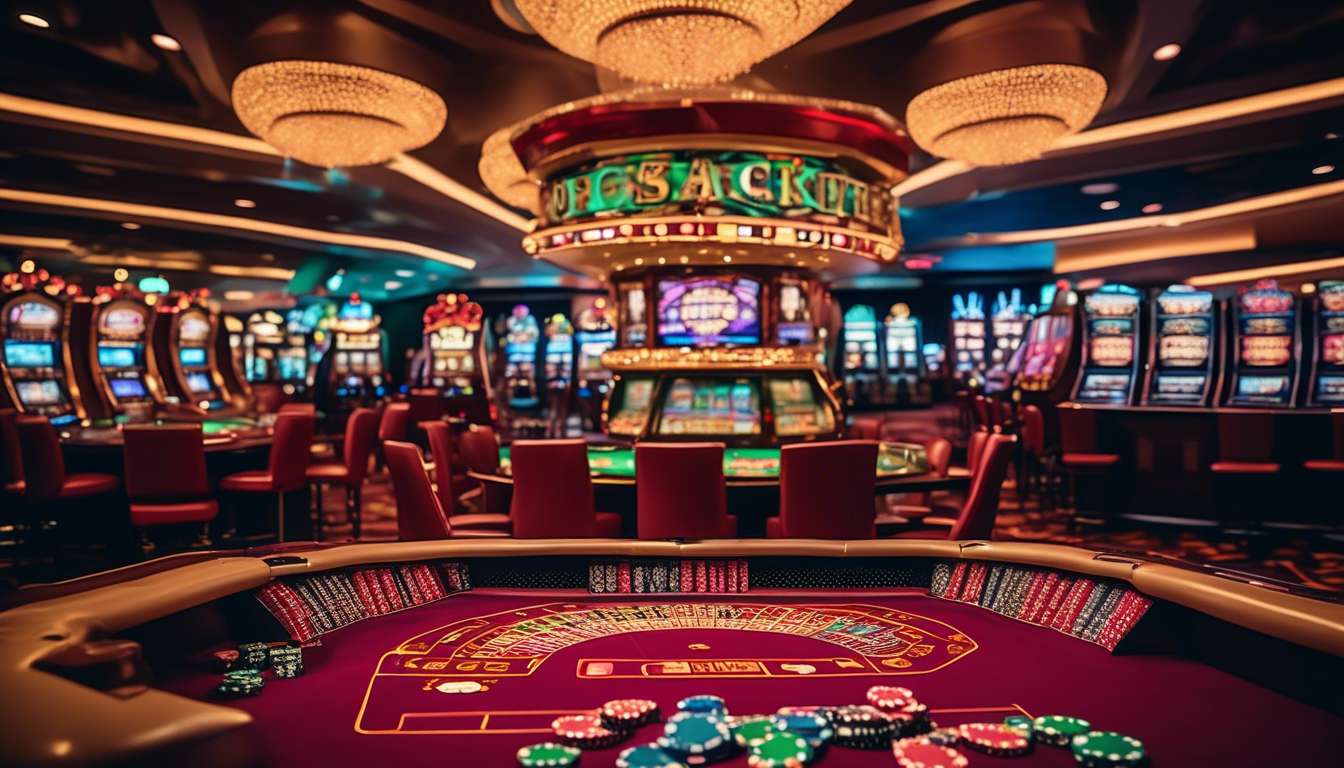
The thrill of chance is a fundamental aspect of human nature. Many individuals experience an adrenaline rush when engaging in activities where the outcome is uncertain, and gambling presents a perfect scenario for this excitement. When people step into a casino, they are met with an environment specifically designed to amplify this feeling. The flashing lights, the sounds of rolling dice, and the buzz of excited chatter all contribute to a heightened state of anticipation. For those who prefer quick payouts, the option for online casino uk fast withdrawal has become increasingly popular, creating a visceral experience that many find irresistible, making casinos extraordinarily compelling places for thrill-seekers.
Moreover, the unpredictability of winning or losing taps into our intrinsic desire for risk and reward. Psychologists often refer to this as “variable reinforcement” – a concept originally studied in behavioral psychology. When players win unexpectedly, the dopamine rush can lead to an emotional high that encourages repeat visits to casinos, essentially reinforcing the gambling behavior. This cycle of anticipation and occasional victory keeps players engaged, constantly seeking the next exhilarating moment.
Additionally, the element of chance creates a temporary escape from reality. For many, gambling serves as a way to momentarily forget about life’s stresses and engage in a world where fortunes can change in an instant. This transformative experience is not only thrilling but provides a sense of liberation, albeit for a short while. The psychological impacts of these moments are significant, contributing to the ongoing allure of gambling in casinos.
The social dynamics of casino gaming
Casinos are not just places for solitary gambling; they are vibrant social hubs where individuals come together to enjoy games and socialize. This communal aspect of gambling can enhance the enjoyment and engagement of players. People often feel a sense of camaraderie as they cheer for wins or commiserate over losses together at the tables. This social interaction can invigorate the experience, making it more than just a game of chance; it becomes a shared adventure.
In these communal spaces, the environment encourages bonding and connection among players. Many casinos offer promotions and events that foster socializing, such as tournaments or themed nights, which not only draw in crowds but also create opportunities for new friendships. The collective excitement generated during these events can lead to a more profound sense of belonging, enhancing the psychological appeal of gambling.
Furthermore, the presence of others can amplify the experience of risk-taking. When surrounded by fellow gamblers, individuals might feel bolder in their decisions, potentially leading to larger bets or riskier plays. This concept, known as “groupthink,” highlights how the dynamics of a group can influence individual behavior, often pushing players beyond their usual limits. The combined energy of the crowd can make every win feel more monumental and every loss feel more bearable, reinforcing the attraction of casino environments.
The role of escape and entertainment
The desire for escape is a powerful motivator for many individuals who visit casinos. In our fast-paced, often stressful lives, the allure of immersing oneself in an environment where entertainment reigns supreme is appealing. Casinos offer a fantasy world filled with glamour and excitement, providing an escape from the everyday grind. This escapism is a compelling factor that contributes to the popularity of gambling as a leisure activity.
Casinos are designed with an array of entertainment options, from slot machines to live performances. These activities provide distractions that can draw people in, enticing them to stay longer and engage more deeply with the gambling aspect. For many, the experience can feel like an adventure, with each visit offering the potential for new thrills and stories to tell. The entertainment value inherent in casinos is a key component that keeps gamblers returning for more.
Moreover, this escape can serve as a temporary solution for individuals looking to cope with life’s challenges. Gambling can momentarily reduce feelings of anxiety or depression by providing a break from routine. However, while the entertainment aspect is a significant draw, it is essential to recognize that this escape can be a double-edged sword. For some, it can lead to problematic behaviors and addiction, highlighting the importance of moderation in gambling activities.
The cognitive biases at play
Understanding the psychological underpinnings of gambling also involves exploring cognitive biases that influence behavior. One prime example is the “gambler’s fallacy,” where individuals believe that past outcomes will affect future results. This bias can lead players to make irrational decisions based on their experiences, thinking that they are ‘due’ for a win after a series of losses. Such misconceptions can keep players engaged for longer than intended, often resulting in significant financial implications.

Another prevalent cognitive bias is the “illusion of control,” where gamblers believe they can influence outcomes in games of chance. This perception is particularly common in games like poker or blackjack, where skill plays a role in success. The belief that one can outsmart the odds can lead to overconfidence, prompting players to take risks they wouldn’t normally consider. These cognitive distortions highlight the psychological complexity of gambling behavior and its impact on decision-making.
Additionally, the allure of near misses – where a player comes close to winning but ultimately falls short – can be a powerful motivational factor. These experiences can result in feelings of excitement and anticipation, leading individuals to continue gambling in hopes of eventually achieving that elusive win. Understanding these cognitive biases can provide valuable insights into why people are drawn to casino environments and how these factors can shape their gambling experiences.
Your gateway to understanding gambling
As we delve into the psychology of gambling, it becomes clear that the allure of casinos is multifaceted. The excitement of chance, the social dynamics, and the potential for escape all play significant roles in why individuals are drawn to these vibrant establishments. Recognizing the psychological elements involved can shed light on the experiences that shape gamers’ motivations and behaviors within casinos.
For those interested in exploring this captivating topic further, there are numerous resources available that delve into gambling psychology, providing insights into both healthy engagement and potential pitfalls. Understanding the balance between enjoyment and responsibility is crucial for anyone looking to participate in gambling activities, whether casually or more seriously. Awareness of the psychological aspects can help inform better choices and experiences.
Ultimately, casinos continue to be popular destinations where the complexities of human psychology come to the forefront. By appreciating the various factors that contribute to our attraction to gambling, we can better navigate these environments while maximizing enjoyment and minimizing risks. Engaging with this knowledge empowers individuals to make informed decisions, enhancing their overall experience in the world of gaming and entertainment.